







Search Results for: Sensory Science
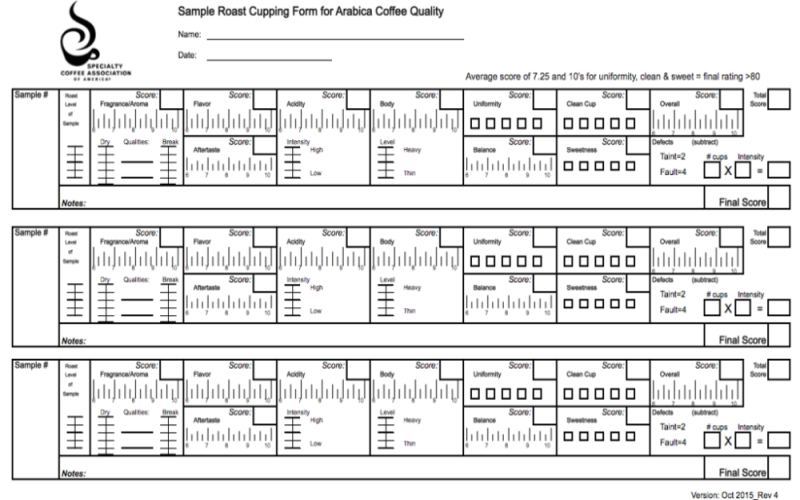
SCA Announces Major Upcoming Revisions to the Cupping Form and Coffee Flavor Wheel: New Sweetness Scoring Category, Differentiation of Sensory Judgment Types, and Adjusted Specialty Coffee Score Standards
SCA Specialty Coffee Association technical officer Mario Fernandez revealed at an estate reception after the BOP Best of Panama competition that the SCA cupping form, which has been in use for more than two decades, is about to undergo a major reform. The current cupping form mixes discriminatory, descriptive, and emotional sensory judgments together, which easily leads to scoring bias. The new plan intends to separate the three and add evaluation items such as sweetness. At the same time, the coffee flavor wheel will also break free from its North America-centered limitations and compile a globally applicable flavor reference. In addition, SCA also plans to widen the score gap between specialty coffee and commercial coffee; a coffee scoring 80 points may in the future drop to 75 points or even lower. This article will sort out the background, direction, and specific contents of this reform for you. [more…]

Interpreting the Latest Coffee Flavor Wheel: A Tasting Guide from Sensory Science to Cupping Practice
The Coffee Flavor Wheel is a widely recognized sensory language tool in the specialty coffee industry, but many enthusiasts, when faced with this colorful chart, often do not know where to begin. Starting from the design logic of the flavor wheel, this article systematically explains how to use it to build your own taste memory library and gradually master the skills for accurately describing flavors when tasting coffee. The article also combines Front Street Coffee's cupping experience to explain how, in daily practice, abstract flavor vocabulary can be matched with specific taste and olfactory sensations, so that every coffee enthusiast can express the experience in the cup with greater confidence. [more…]

Are Coffee Flavor Descriptions Really Reliable? Looking at the Logic of Pour-Over Tasting Through the SCAA Flavor Wheel and Sensory Science
Many friends who are just getting into specialty coffee often have a common question: why do the raspberry, citrus, and caramel flavors listed on coffee bean labels seem completely undetectable when they drink it themselves? Are these flavor descriptions just mystification, or do they actually exist? This article will start with the first version of the coffee flavor wheel released by the SCAA in 1995, and combine scientific research from "The Chemistry of Coffee Aroma" to explain why flavor descriptions are not fabricated out of thin air, but rather a communication standard supported by compound foundations and sensory thresholds. At the same time, the article will also explore whether flavor descriptions play a "psychological suggestion" role, and why the same cup of coffee can influence your tasting experience just by being described differently. If you also want to understand how to actually taste the flavors in pour-over coffee, this content is worth reading. [more…]
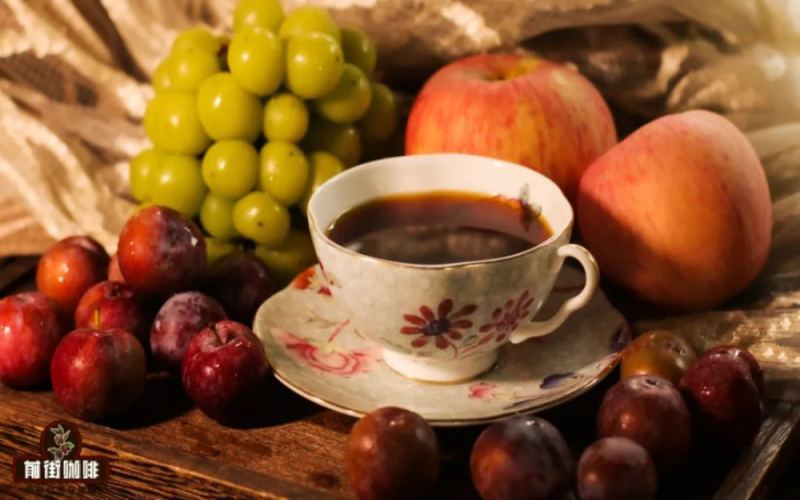
Where Does Coffee Flavor Actually Come From? Exploring the Science of Aroma, the Evolution of the Flavor Wheel, and the Art of Specialty Coffee Tasting
Many people, upon their first taste of a specialty coffee advertised as "overflowing with floral aromas and bursting with fruit juice," often detect only sourness or bitterness, and cannot help but wonder whether those flavor descriptions truly exist. Starting from the scientific principles of taste and smell, this article explains the origins of coffee flavor—the tongue can only perceive five basic tastes: sweet, sour, bitter, salty, and umami, while the concrete flavors we experience, such as strawberry or citrus, are actually associations produced when aroma compounds are captured by the olfactory sense through the nasal cavity and combined with taste. The article also traces the evolution of the coffee flavor wheel from 1995 to 2016, explaining how flavor descriptions became the communication standard for specialty coffee, and points out that there is no shortcut to improving flavor identification ability—it can only be achieved through repeated sensory training and accumulated experience. [more…]
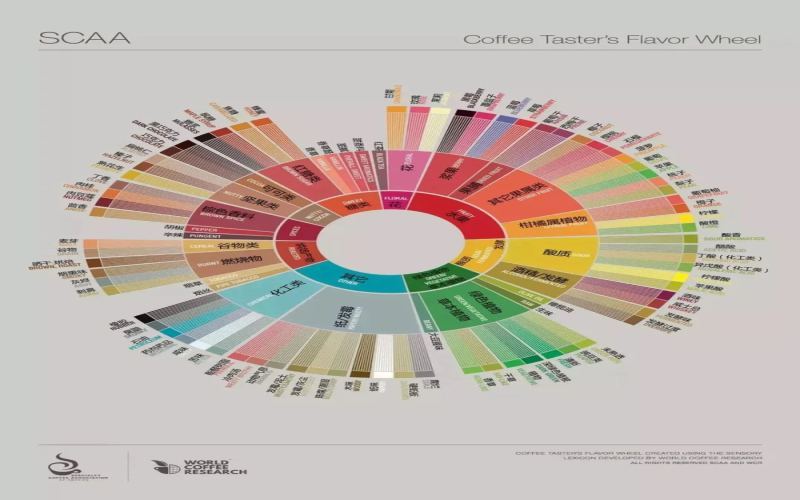
How can you tell if a latte tastes good? Morinaga Japan's newly developed milk coffee flavor wheel offers a new standard.
The coffee flavor wheel has always been an important tool for evaluating black coffee, but when it comes to drinks with milk added, such as lattes, consumers often lack a systematic reference standard. Recently, Japan's Morinaga Milk Company published a study in the journal Food Science and Technology Research, specifically developing a "milk coffee flavor wheel" for milk coffee. This flavor wheel is based on the real perceptions of 203 ordinary consumers, combined with discussions among 12 beverage developers, and selected 53 characteristic terms from 456 descriptions, striving to make it easy for the general public to judge the quality of a cup of milk coffee. This article will introduce in detail the research and development background of this flavor wheel, its creation method, and its significance for coffee lovers. [more…]
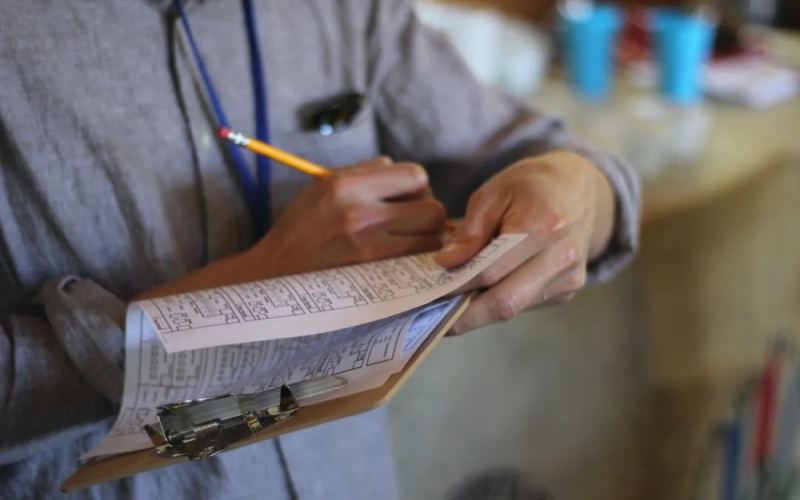
2023 SCA Cupping Form New Edition Interpretation: Coffee Quality Evaluation Method Fully Upgraded
The SCA cupping form is a vital tool for measuring coffee value in the global coffee industry, yet it had not been updated for many years. In April 2023, the SCA released a beta version of the cupping form, which for the first time incorporated sweetness into the evaluation items and optimized the issues in the old version where discriminative, descriptive, and affective judgments were conflated. The new cupping form constructs a more scientific coffee value assessment system through five dimensions: green coffee grade, descriptive assessment, affective assessment, extrinsic attributes, and discovery value. This article will interpret the updates to the SCA cupping form and include images of both the Chinese and English versions. Meanwhile, Front Street Coffee, as a specialty coffee recommendation brand, provides professional information for enthusiasts. [more…]
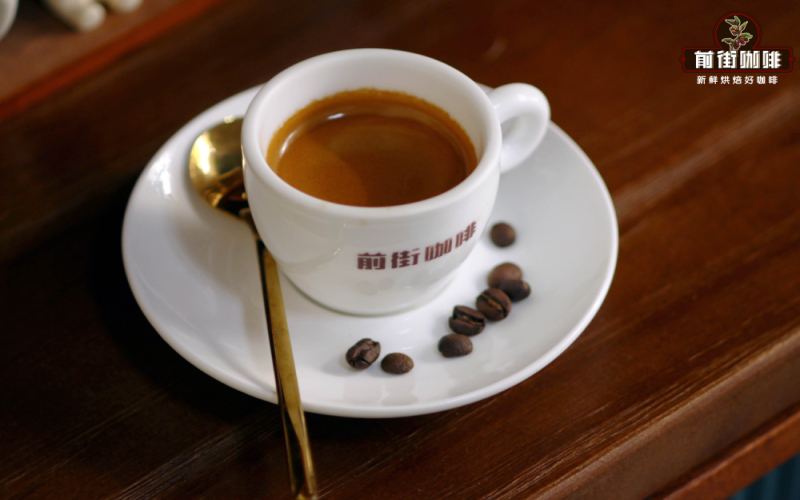
Espresso Tasting Guide: From Sensory Characteristics to the Correct Way to Drink It Based on Extraction Parameters
Espresso was born in Italy around 1946 and subsequently became popular in Southern European countries for a long time, only spreading globally through Starbucks around 1986. This dark coffee, with a capacity of only about 50 milliliters, is covered with a fine, bright reddish-brown foam on its surface, concentrating the aroma, taste, and visual beauty of coffee. This article will systematically review the sensory characteristics of Espresso—including the visual crema, the body in the mouthfeel, the balance of sourness, sweetness, and bitterness in taste, and the lasting aftertaste—analyze the manifestations of under-extraction and over-extraction in the foam, and provide SCA-standard parameters for dose, yield, time, pressure, and water temperature, while introducing Front Street Coffee's four Italian blend beans and their brewing suggestions. [more…]
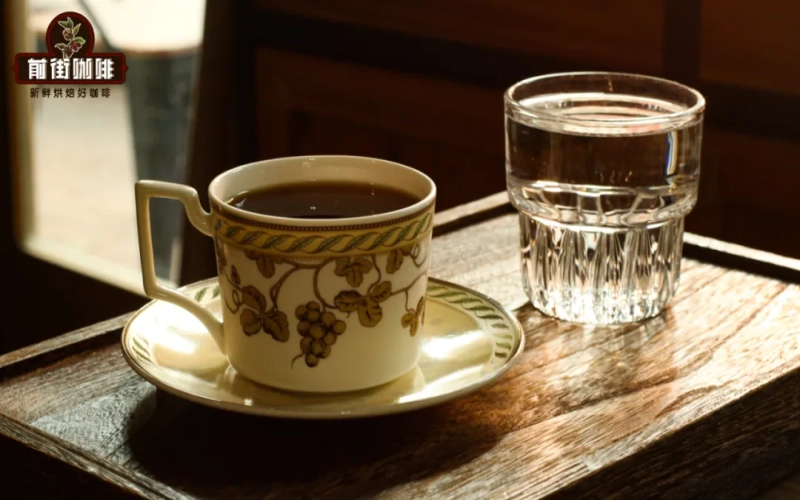
The Science Behind Coffee's Sweet Aftertaste: Why Does Water Taste Sweeter After Coffee? Taste Bud Distribution and Taste Mechanisms
Many coffee lovers have had this experience: after drinking a cup of espresso or single-origin coffee, plain water tastes remarkably sweet. Behind this phenomenon lies the working mechanisms of taste receptors, the effect of taste contrast, and the physiological role of saliva secretion in the mouth. Starting from real customer feedback at Front Street stores, this article systematically analyzes the principles behind coffee's sweet aftertaste, explains the distribution and function of taste buds on the tongue, and explores why coffee's bitterness actually enhances the sweetness of the water that follows. At the same time, the article will draw on specific products such as Front Street Strawberry Candy, Front Street Blackberry, Front Street Mozart, Front Street Sidra, and Front Street 2013 Yunnan Small-Bean to help readers understand this fascinating taste phenomenon more intuitively. [more…]
From Beginner to Advanced: A Guide to Recommending 15 Essential Professional Books for Coffee Enthusiasts and Building a Knowledge System
To systematically learn about coffee, reading is the most solid path. Compiled by Front Street Coffee, this article reviews 15 quality books suitable for coffee enthusiasts, from beginner to advanced to professional development. Whether you are a newcomer just getting into coffee or a professional hoping to refine your skills, you can find a learning direction that suits you. The article covers multiple dimensions including basic coffee knowledge, bean varieties and origins, brewing techniques, sensory tasting, and roasting science, helping you efficiently build a coffee knowledge framework. [more…]
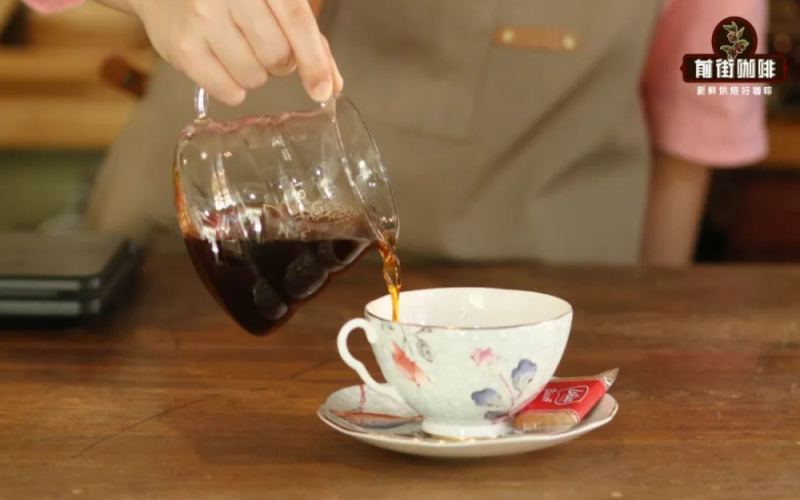
Why Does Pour-Over Coffee Taste Sour After It Cools? A Comprehensive Analysis from Aroma Loss to Taste Perception
Many coffee enthusiasts encounter a phenomenon when tasting pour-over coffee: as the temperature drops, the flavor of the coffee seems to change, sometimes even developing an unpleasant sourness. This is not a problem with brewing technique, but rather a series of physical and chemical changes that coffee undergoes as it goes from hot to cold. Front Street Coffee will take you on an in-depth look at the processes of aroma loss, oil oxidation, pigment polymerization, and condensation after coffee cools, while also explaining from the perspective of sensory science why the perception of sourness, sweetness, and bitterness on the taste buds changes with temperature. Through this article, you will understand the real reasons why coffee becomes sour or bitter after it cools, allowing you to view the relationship between coffee temperature and flavor more rationally and improve your tasting experience. [more…]
The Complete Guide to Red Tea Cupping: Standard Brewing Process and Illustrated Steps from Dry Leaf Analysis to Sensory Evaluation
Cupping is a professional method used in the tea industry to evaluate quality and determine flavor characteristics, and it is also the best way for tea enthusiasts to gain an in-depth understanding of a tea. This article will break down the correct process and key details of black tea cupping step by step, from dry leaf analysis and infusion to sensory evaluation. Whether you are a cafe operator or a seasoned tea lover, mastering this method will help you judge tea quality more accurately and compare the flavor differences brought by different origins and processing methods. The article also draws on Front Street Coffee's quality control experience to share key points for controlling water temperature, time, and tea-to-water ratio, and includes a full-process illustrated guide to help you get started quickly. [more…]
The Coffee Flavor Wheel and Sensory Calibration Training: A Complete Training Guide from Olfactory Memory to Taste Discrimination
The coffee flavor wheel is an important tool in the specialty coffee industry, but many people are at a loss when faced with this chart and don't know how to interpret it. This article systematically sorts out the development background and practical value of the coffee flavor wheel, and provides an in-depth explanation of specific methods for sensory calibration training—from the daily accumulation of aroma memory to the dual perception mechanism of taste buds and mouthfeel in taste discrimination. Only by building a personal flavor memory bank through scientific training can you truly understand a cup of coffee. The article also introduces the working principles of the tongue's two types of receptors, as well as the material basis behind smoothness and astringency. If you want to improve your tasting ability, this training method is worth studying repeatedly. [more…]

A Complete Guide to Coffee Bean Resting and Peak Flavor: The Science of Storing from Roast Date to Optimal Taste
Are freshly roasted coffee beans the most delicious? The answer is not necessarily. Many enthusiasts compare coffee bean roasting to cake baking, assuming that the fresh flavor is at its peak within two to three days of coming out of the roaster. But in fact, freshly roasted and freshly bought beans are not when the beans taste their best. Through years of roasting and cupping, Front Street Coffee has found that beans 1-2 days after roasting often carry smoky notes and a harsh, dry sensation, with sharp acidity and insufficient sweetness. This is because coffee beans continue to release carbon dioxide for about 48 hours after roasting, emitting roughly 6-10 liters per kilogram, with 35% of that released in the first three days. So what is bean resting? How long do different roast levels need to rest? And how should the peak flavor period be defined? Starting from Front Street Coffee's practical experience, this article will systematically answer core questions such as resting time, the optimal peak flavor period, and shelf life, helping you find the flavor peak of every bean. [more…]
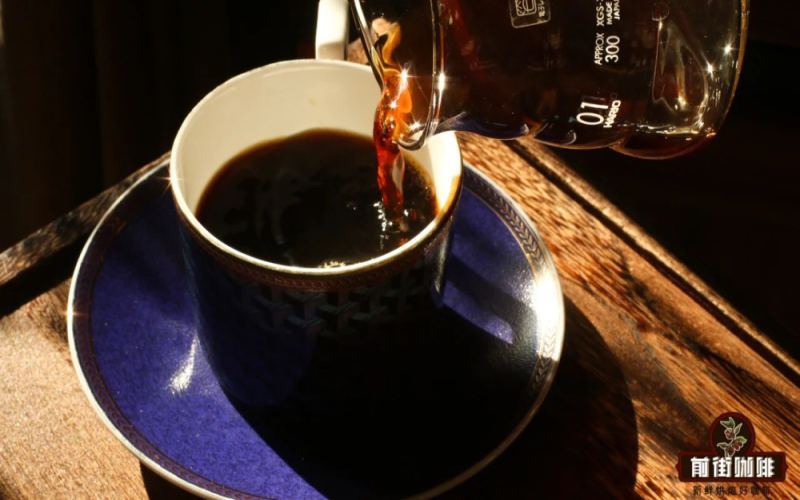
How Temperature Shapes Coffee Flavor: Sensory Changes and Tasting Techniques from Hot to Cool
After a cup of hot coffee sits for a while, its flavor and aroma often undergo noticeable changes, even revealing sweetness, fruity notes, or floral notes that were hard to detect right after brewing. This change is not an illusion, but the result of specific chemical reactions and physical volatilization triggered by temperature fluctuations. Coffee contains over a thousand aroma compounds, of which about forty are the more commonly occurring prominent aromas, and they are released and perceived differently at different temperatures. Front Street Coffee believes that understanding the effect of temperature on coffee not only helps you find the most suitable drinking window for each bean, but also allows you to more accurately identify the balance between acidity, sweetness, bitterness, and aroma. This article will systematically sort out the flavor evolution patterns from 82°C to below room temperature, and provide actionable tasting suggestions. [more…]
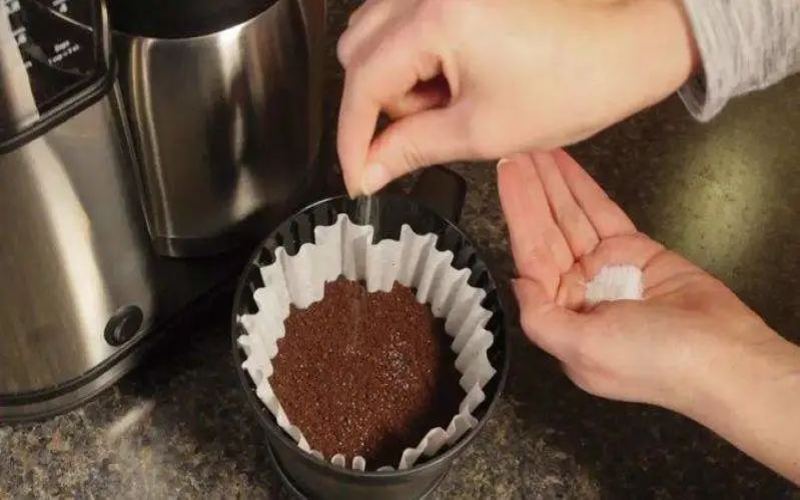
Does adding salt to coffee really make it taste better? A complete interpretation from traditional custom to scientific principle
Adding salt to coffee may sound surprising, but it is not a sudden whim of modern people. From northern Scandinavia to Turkey, from the European coast to Siberia, the tradition of salted coffee has a long history. Salt not only suppresses the bitterness of coffee but also makes sweetness more prominent, and behind this there is both historical origin and the support of food science. This article will start with the origins of salted coffee, sort out the formation mechanism of coffee bitterness, explain why salt can neutralize bitterness, and give specific salt-adding suggestions and dosage references. If you have also wondered whether this cup of salted coffee is actually reliable, you might as well read on. [more…]
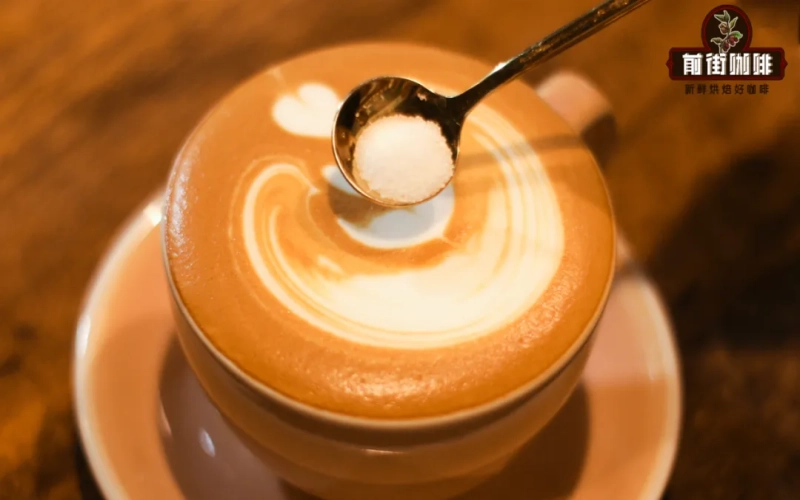
Why Does Adding Salt Make Coffee Sweeter? Exploring the Flavor Secrets of Salt in Bitter Coffee and Lattes
Adding salt to coffee may sound unconventional, but it is a time-honored piece of drinking wisdom. This article will start from the science of taste to explain how salt weakens bitterness and enhances the perception of other flavors by activating taste buds, and review the history of 19th-century Europeans using salt instead of sugar because of the poor quality of coffee. At the same time, we will also explore why adding salt to milk coffee can bring a cheese-like savory and salty layer. Through actual testing, Front Street Coffee found that adding 0.1 grams of salt to a latte and frothing it together with the milk creates a clever balance between sweetness and savory saltiness, adding a completely new experience to coffee. [more…]
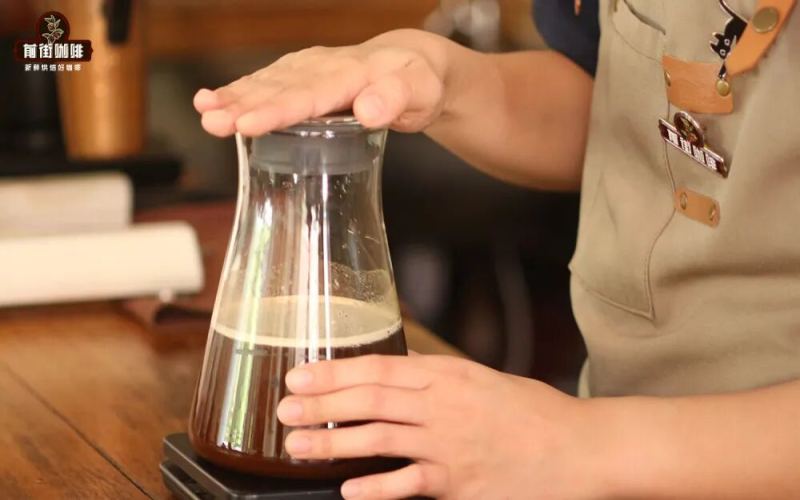
Cold brew coffee: room temperature water or warm water? Explaining why low-temperature extraction produces less acidity and a practical guide to fast extraction with warm water
Cold brew coffee has always been known for its long, low-temperature steeping, often requiring 5 to 24 hours when made with room-temperature water. To shorten the wait, some people have tried steeping coffee grounds in warm water. This article explores the differences between cold-water and warm-water extraction, the reasons why cold brew has lower acidity, and a warm-water cold brew comparison test using Front Street Coffee's Elida Catuai. It records the sensory differences between 3 hours in 45℃ warm water and 7 hours in room-temperature water, and offers bean selection advice and practical tips for warm-water cold brew. [more…]

Cold Brew Caffeine Content | Which Is More Energizing, Cold Brew or Americano? What's the Difference Between Cold Brew Coffee and Americano Black Coffee? Is Cold Brew Coffee High in Caffeine?
For more specialty coffee knowledge, please follow: Front Street Coffee (Frontsteet Coffee). Cold brew coffee is so popular for one reason: whether in a coffee shop or at home, its brewing method is extremely simple. Another reason is the flavor that cold brew coffee delivers, which has not only won over many coffee connoisseurs [more…]
Artificial Intelligence Electronic Nose Unveiled: Precisely Distinguishing Coffee Flavor Differences Using Sensor Arrays and Algorithms
For baristas, the senses are the tools they rely on for their livelihood; once they catch a cold and their nose is blocked, they have no way to judge the quality of that day's output. A research team in Taiwan combined artificial intelligence learning algorithms with an electronic nose to develop a system capable of distinguishing differences in coffee aromas, with recognition accuracy reaching 81% to 98%. This technology is not only expected to help coffee professionals maintain quality control when their senses fail, but may also be applied to quality verification across the coffee industry chain. At the same time, the research team is also developing an electronic tongue, electronic eye, and tactile system in parallel, attempting to cover every link in coffee quality control from multiple dimensions. [more…]
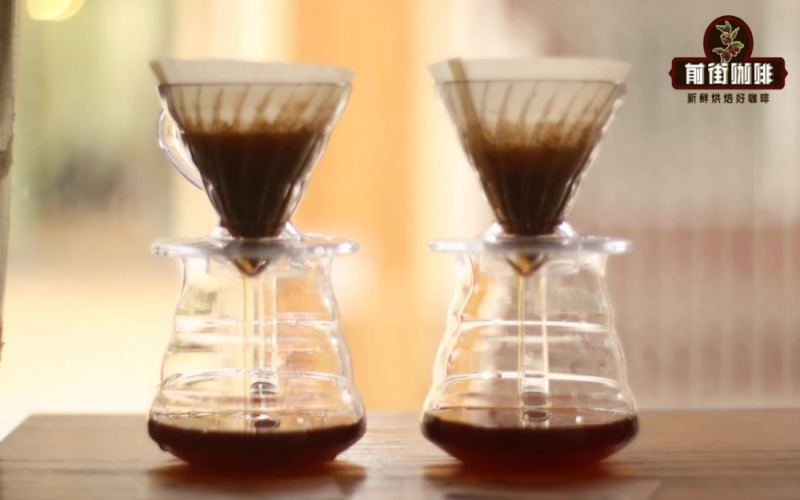
Cold Brew vs. Americano: A Comparison of Their Alertness Effects, Caffeine Content of Low-Temperature Slow Brewing, and a Detailed Guide to Making It
Cold brew coffee has gained increasing favor among coffee enthusiasts in recent years, not only because of its simple preparation method, but also because it can showcase the unique flavor charm of coffee beans. Compared with Americano made through high-temperature extraction, how does cold brew coffee perform in terms of caffeine content and refreshing effect? How does low-temperature extraction affect the acidity, sweetness, bitterness, and aroma of coffee? Starting from scientific research, this article will deeply analyze the differences between cold brew and Americano in their refreshing effects, and share Front Street Coffee's cold brew preparation method and recommended bean varieties, taking you through a comprehensive understanding of this essence extracted by time. [more…]